
Introduction
Quiet music practice has become increasingly important for families, apartment dwellers, and anyone living in shared spaces. With more people learning instruments at home, the challenge isn’t just how to practice, but how loudly. Parents want their kids to explore music without disturbing siblings, neighbors, or work-from-home schedules. Adults face similar challenges when practicing after hours in small apartments.
Modern technology has expanded the range of low-noise instruments available today. Beyond traditional acoustic options, digital instruments now allow players to practice almost silently while still building real musical skills. Among the most common comparisons for quiet music practice are air drums and piano, two very different instruments that appeal to beginners for different reasons.
Why Noise Control Matters for Beginners and Kids
Noise levels play a major role in whether beginners stick with music practice. Instruments that feel too loud often lead to restricted practice time, tension within the household, or frustration for parents trying to set limits. Over time, these barriers can reduce motivation, especially for kids who benefit from frequent, short practice sessions.
For children, quiet music practice helps maintain a positive learning environment. They can experiment freely without constant reminders to play softer. For adults, low-noise options make it easier to practice consistently, early mornings, late nights, or during breaks, without worrying about complaints. In both cases, quieter instruments support better habits and a more relaxed relationship with music learning.
Overview of Air Drums and Piano as Practice Instruments
Air drums and pianos represent two different approaches to beginner-friendly music practice. Piano has long been considered a foundational instrument, valued for teaching melody, harmony, and music reading. It’s widely used in schools and homes, making it a familiar choice for parents.
Air drums, by contrast, are a newer form of digital percussion. Instead of physical drums, players use motion-based sensors to trigger drum sounds. This approach focuses on rhythm, coordination, and physical movement while minimizing noise. Both instruments can support quiet music practice, but they do so in very different ways that affect space, setup, and learning style.
Air Drums for Quiet Music Practice
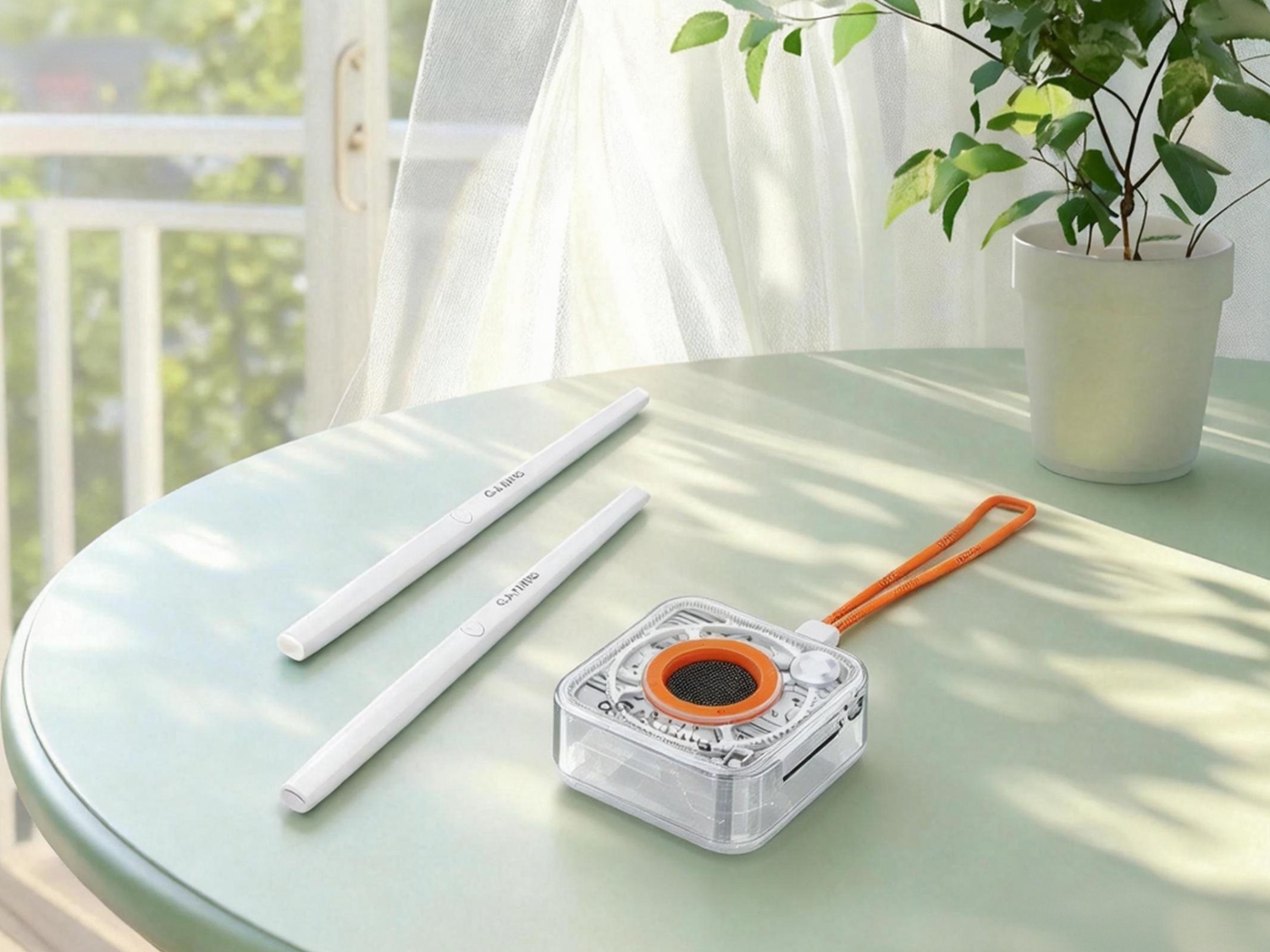
Air drums are designed specifically with quiet environments in mind. Using motion sensors attached to sticks or hands, they detect drumming movements and translate them into digital drum sounds. When paired with headphones, the result is near-silent drumming that still feels expressive and energetic.
This setup allows players to practice real drumming techniques, timing, stick control, and coordination, without the volume of acoustic drums or even practice pads. For beginners, air drums remove one of the biggest barriers to learning percussion at home: noise complaints.
Noise Level and Neighbor-Friendly Practice
One of the biggest advantages of air drums is how little sound they produce externally. There’s no impact noise from hitting surfaces, which makes them ideal for apartments with thin walls or shared floors. Players can practice at full intensity without holding back, helping build proper technique from the start.
Space, Portability, and Setup
Air drums require very little space. There’s no frame, no large instrument body, and no permanent setup. This makes them easy to use in bedrooms, living rooms, or even while traveling. For families with limited space, air drums offer flexibility that traditional instruments simply can’t match
Piano for Quiet Music Practice
Piano remains a popular choice for learning music at home, especially for children. It provides a clear visual layout of notes and supports a wide range of musical styles. However, when it comes to quiet music practice, the type of piano makes a significant difference.
Acoustic pianos are naturally loud and difficult to control in shared spaces. Digital pianos, on the other hand, offer volume control and headphone options that make them more suitable for noise-sensitive homes.
Using Digital Pianos and Headphones
Digital pianos allow players to practice silently with headphones, making them far more apartment-friendly than acoustic models. They also offer features like built-in metronomes and recording functions. Still, they require dedicated floor space and a fixed setup, which may not work for smaller homes.
Limitations of Acoustic Pianos in Shared Spaces
Acoustic pianos are heavy, expensive, and difficult to move. Their volume can’t be fully controlled, which often limits practice times. For many families, these constraints make acoustic pianos impractical for quiet music practice, especially in apartments or shared housing.
Air Drums vs Piano: Side-by-Side Comparison
When comparing air drums vs piano for quiet music practice, several factors stand out. Air drums excel in noise control, portability, and physical engagement. Piano offers strong melodic and theoretical foundations but demands more space and setup.
Air drums are especially effective for rhythm-focused learners and active kids who enjoy movement. Piano may suit learners interested in melody, songwriting, or formal music education. The best choice depends less on which is better and more on lifestyle, space, and practice environment.

Which Instrument Is Better for Kids and Beginners?
For younger kids with high energy levels, air drums often feel more intuitive and fun. The physical nature of drumming helps maintain attention and encourages regular practice. Beginners also benefit from immediate feedback without worrying about disturbing others.
Piano may be better suited for older children or beginners interested in reading music and developing melodic skills. However, without proper noise management, practice consistency can suffer. In many homes, quiet music practice tools determine whether learning feels enjoyable or restrictive.
How Gamsing Fits into Quiet Practice Lifestyles
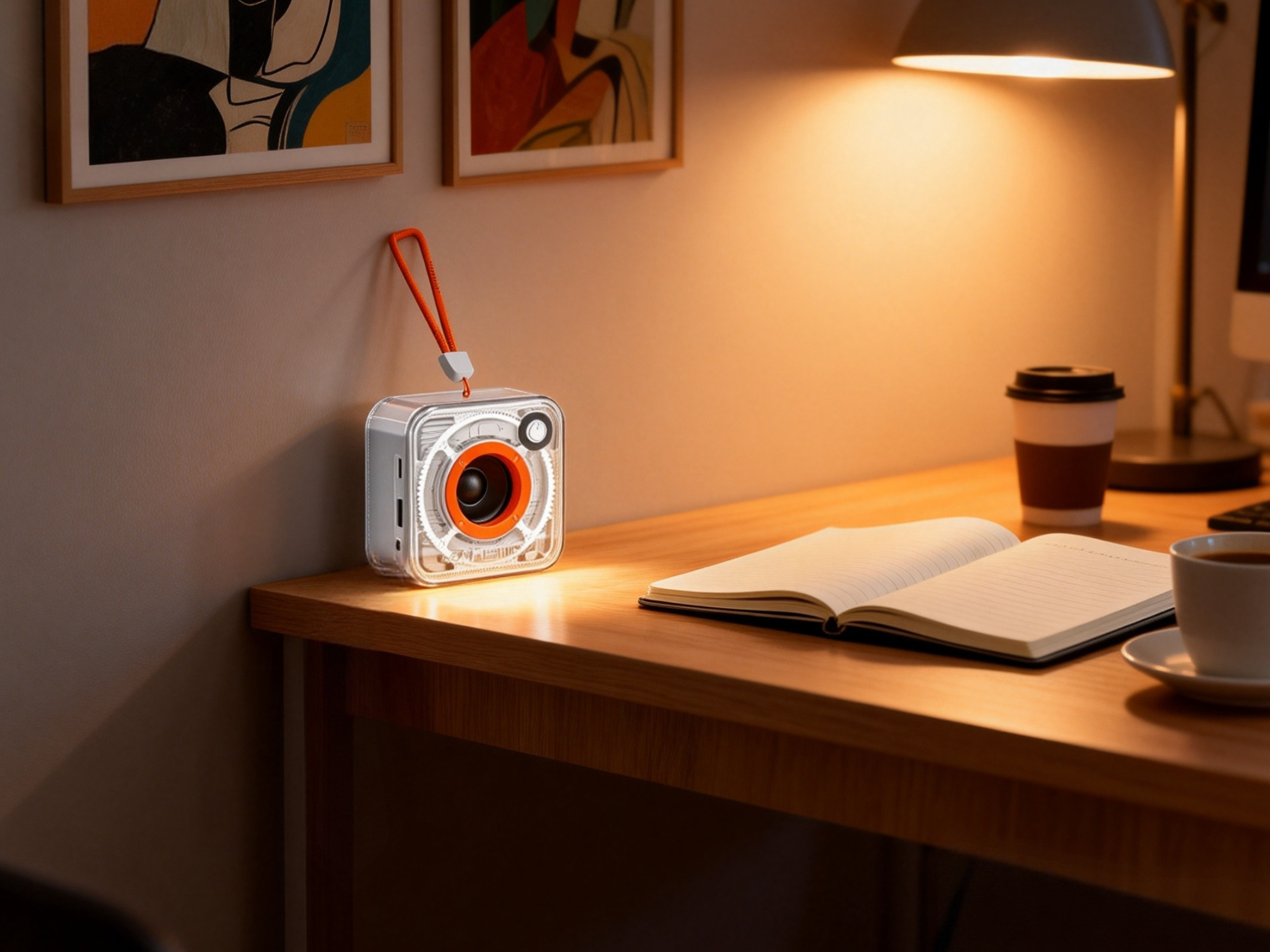
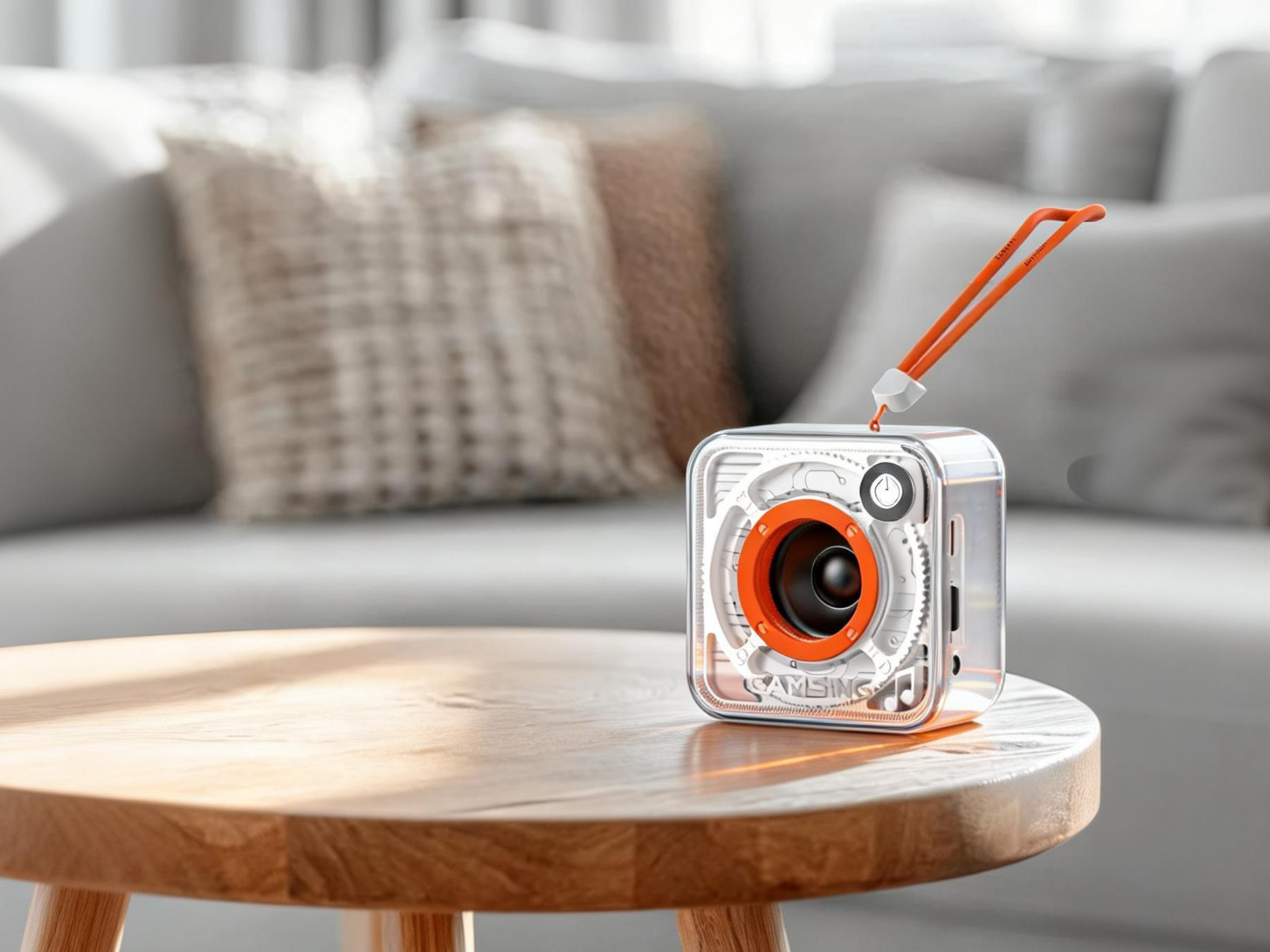
Gamsing focuses on creating air drum solutions designed for modern living spaces. Their approach combines motion-sensing technology with responsive sound engines, allowing users to practice drums naturally while using headphones.
For beginners, kids, and hobbyists, Gamsing’s air drum concept supports quiet music practice without sacrificing engagement. It fits easily into apartments, shared homes, and flexible schedules, making it easier to build consistent rhythm skills in noise-sensitive environments.
Combining Digital Instruments for Balanced Music Education
Many families find that combining instruments creates a more balanced learning experience. Air drums can develop rhythm, timing, and coordination, while piano builds melody and harmonic understanding. Together, they cover core musical skills without overwhelming the household with noise.
Using digital instruments also allows practice to happen simultaneously: one child on piano with headphones, another on air drums, supporting shared learning without conflict. This blended approach works well for homes focused on quiet music practice and long-term musical growth.

Choosing the Right Quiet Practice Instrument
Choosing between air drums and piano ultimately depends on space, noise limits, and musical goals. Air drums offer unmatched quietness, portability, and physical engagement, making them ideal for apartments and active beginners, as seen in Gamsing Air Drums. Piano provides melodic depth but requires careful planning to remain neighbor-friendly.
For families prioritizing quiet music practice, modern digital solutions open up more flexible and enjoyable ways to learn. By matching the instrument to the living environment, beginners and kids are more likely to practice consistently, and enjoy the process along the way.

댓글 남기기
모든 댓글은 게시 전 검토됩니다.
이 사이트는 hCaptcha에 의해 보호되며, hCaptcha의 개인 정보 보호 정책 과 서비스 약관 이 적용됩니다.