
Why This Question Matters So Much
Many adults quietly ask themselves, “Is it too late to learn drums as an adult?” Often, this question comes with a mix of excitement and fear. You might love music, tap rhythms on your desk, or admire drummers on stage, but doubt creeps in because you didn’t start young. That hesitation is completely normal, and it’s also one of the biggest reasons people never begin.
Adult learners tend to put more pressure on themselves. They worry about wasting time, looking foolish, or not progressing fast enough. Unlike kids, adults are very aware of expectations and comparisons. The truth is, this concern matters because it stops people from pursuing something that could genuinely enrich their lives. Understanding what’s myth and what’s reality can be the first step toward finally starting.
The Myth That Drumming Is Only for the Young
The idea that drumming is only for the young usually comes from how music education is portrayed. We often see prodigies who started at age five or professionals who have been playing their whole lives. While that’s impressive, it creates a misleading narrative that early exposure is the only path to success.
In reality, learning music as an adult is incredibly common. Adults approach drumming differently: not worse, just differently. Many successful hobbyist drummers started well into their 30s, 40s, or later. Drumming isn’t reserved for future rock stars; it’s a skill, a craft, and a form of expression that adapts to your goals.

How Adults Learn Differently
One major advantage adults have is intention. When adults decide to learn drums, it’s usually because they want to, not because someone told them to. This motivation leads to more focused practice and clearer goals.
Adults also bring transferable skills. Time management, patience, and self-reflection all play a role in effective learning. You’re more likely to notice what’s working, adjust your approach, and stick with routines. While kids may absorb information quickly, adults often understand why something works, which leads to steadier, more sustainable progress on the drums.
Common Challenges Adult Beginners Face
That said, adult beginners do face real challenges. Time is the biggest one. Between work, family, and daily responsibilities, carving out practice time can feel unrealistic. Many adults also worry about coordination, especially hand-foot independence, which can seem intimidating at first.
Another common barrier is self-doubt. Adults are often harder on themselves, expecting instant results and feeling discouraged when progress feels slow. These challenges are real, but none of them are deal-breakers. They simply require a smarter, more flexible approach to learning.
Physical Limitations vs. Smart Practice
A common fear is that age-related physical limitations will make drumming impossible. In reality, drumming is highly adaptable. Good technique matters far more than raw strength or speed. Starting slow, focusing on ergonomics, and building coordination gradually can prevent strain and frustration.
Smart practice means shorter, consistent sessions instead of long, exhausting ones. Even 10–15 minutes a day can lead to noticeable improvement. With proper posture and relaxed movement, drumming remains accessible and enjoyable at any age.

Real Benefits of Learning Drums as an Adult
Learning drums as an adult offers benefits that go far beyond music. Drumming is a powerful stress reliever. The physical movement combined with rhythm can help clear your mind after a long day. Many adults find it meditative, almost like a moving form of mindfulness.
There’s also a strong sense of personal fulfillment. Progress, even small wins like keeping a steady beat, boosts confidence. Drumming engages both the brain and body, supporting coordination, focus, and creativity. For many adults, it becomes a healthy outlet that balances the demands of daily life.
Drumming as a Hobby, Not a Competition
One mindset shift makes a huge difference: drumming doesn’t have to be competitive. You’re not racing against professionals or comparing yourself to viral drum videos. Success can simply mean enjoying practice, learning your favorite songs, or feeling more connected to music.
When drumming is treated as a hobby rather than a performance benchmark, pressure fades. Progress becomes personal, and motivation stays high. This perspective is especially important for adult learners who want joy, not judgment, from their musical journey.
How Modern Tools Make Adult Learning Easier
Today, learning drums as an adult is easier than ever thanks to modern technology. Traditional acoustic drum kits can be loud and bulky, which isn’t ideal for apartments or shared homes. That’s where digital percussion and air drums come in.
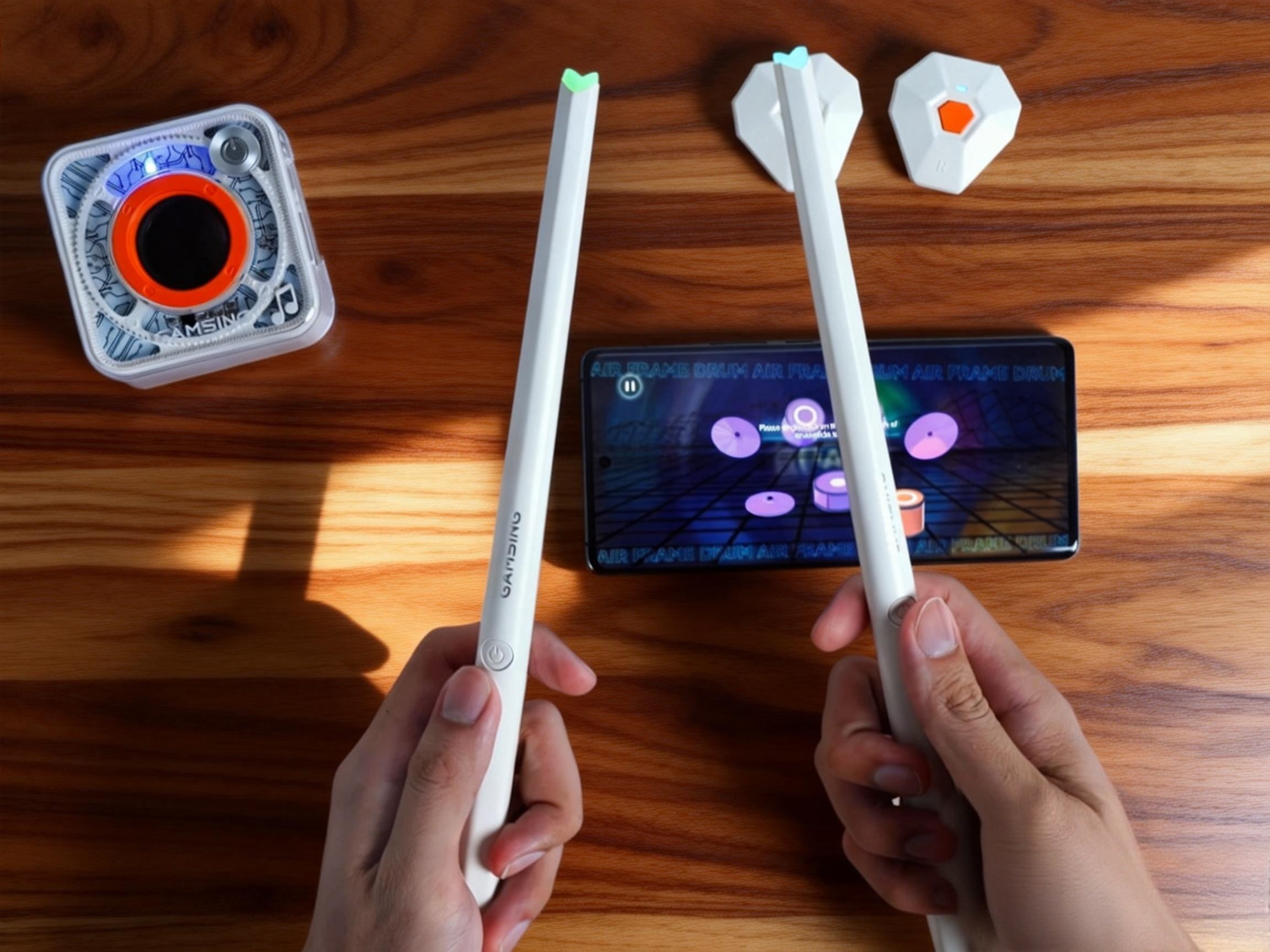
These tools allow quiet, flexible practice without disturbing others. Motion-sensor systems turn your movements into sound through headphones or speakers, making it possible to practice anytime. For adults with limited space or time, this removes one of the biggest barriers to getting started.
Why Air Drums Are Ideal for Adult Beginners
Air drums are especially beginner-friendly. They’re portable, low-noise, and quick to set up, no dedicated drum room required. This makes it easier to fit practice into a busy schedule, even in short sessions.
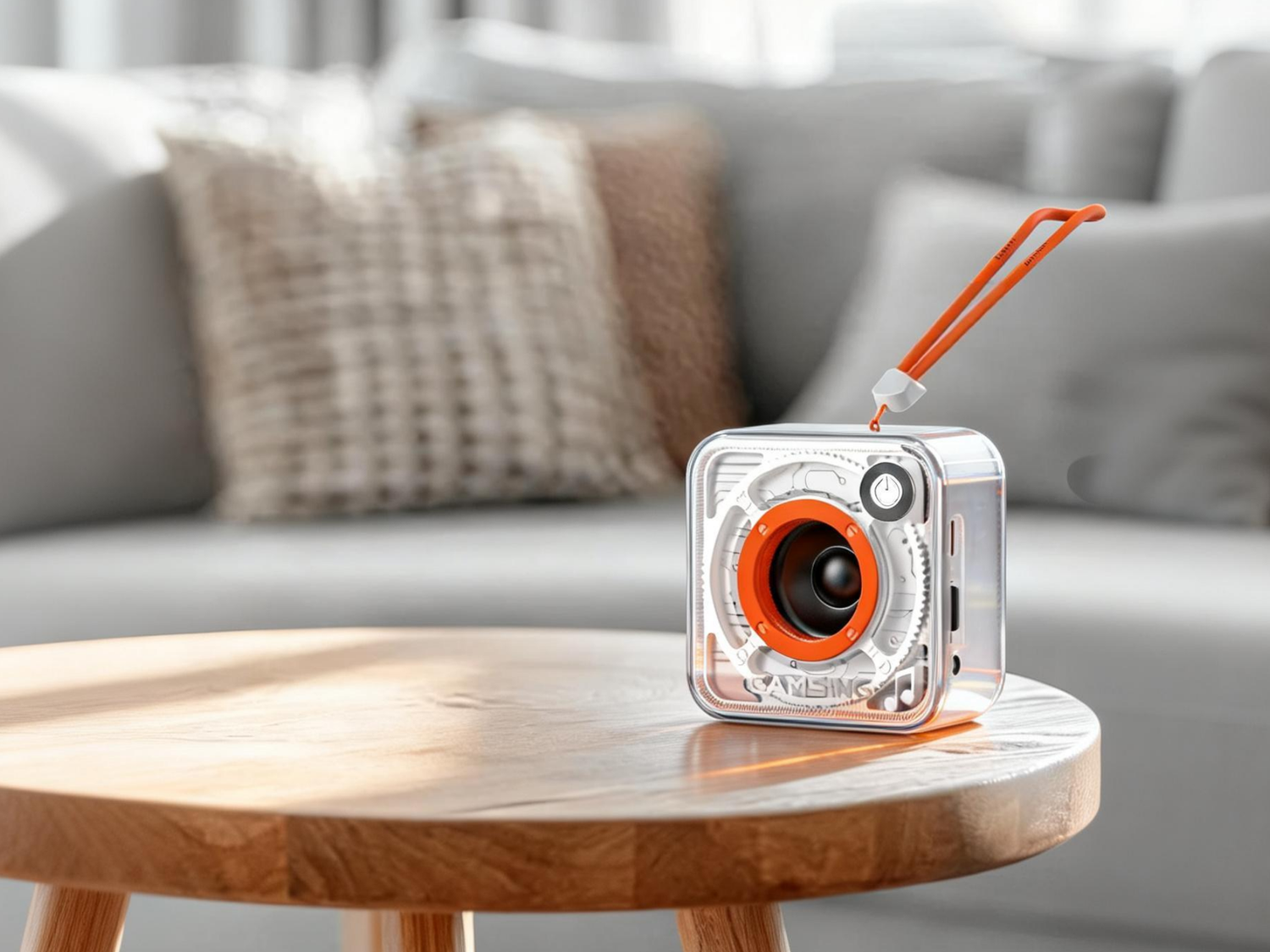
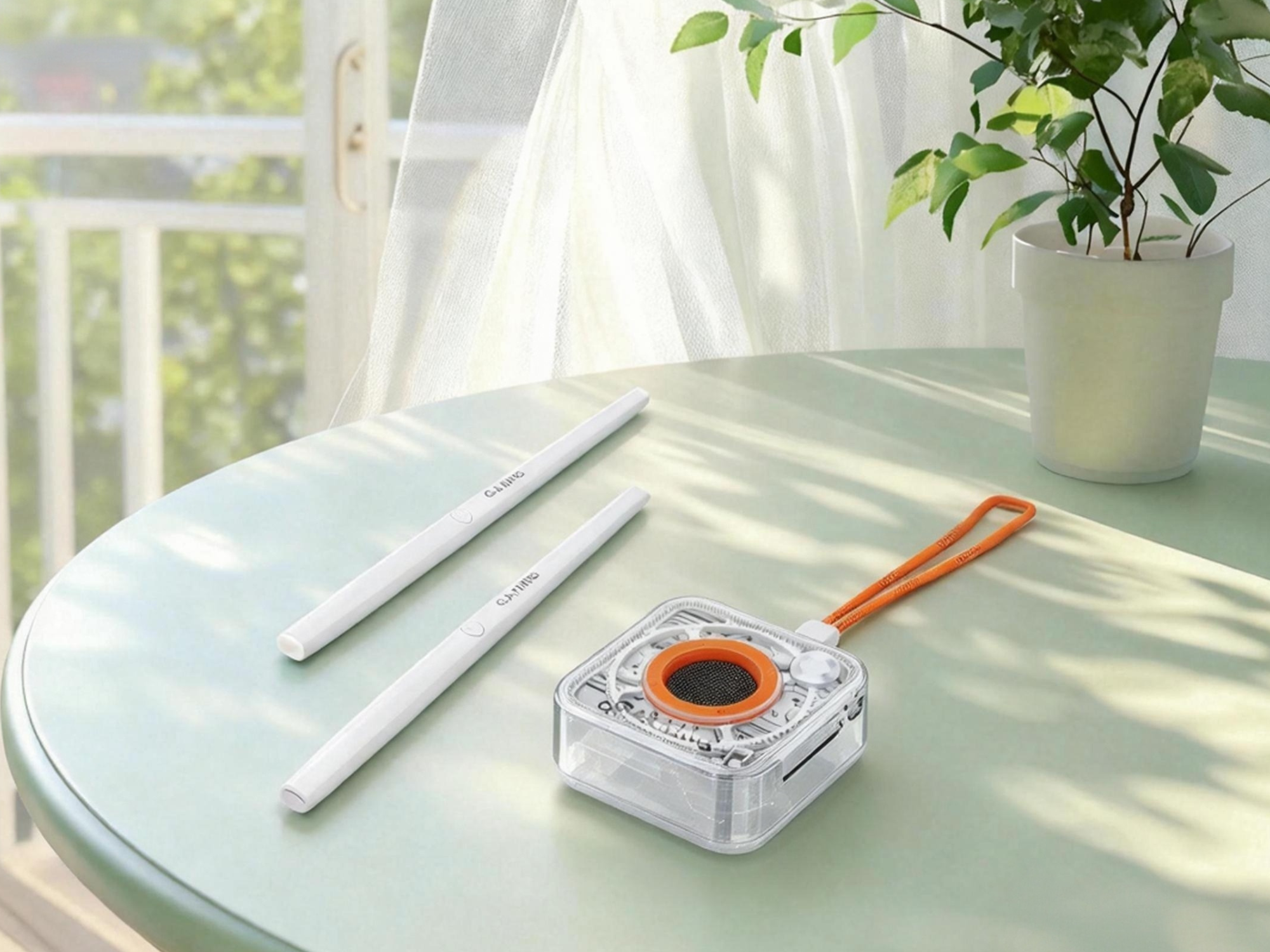
For example, systems like Gamsing’s air drum solutions are designed for home drummers who want realistic feedback without the volume of acoustic kits. They support quiet practice, rhythm training, and gradual skill development, making them a practical choice for adults who want flexibility without compromise.
Getting Started Without Pressure or Overwhelm
Starting doesn’t need to be complicated. Begin with simple goals: learning basic rhythms, practicing hand coordination, or playing along to easy tracks. Keep sessions short and consistent rather than intense and exhausting.
A beginner-friendly routine might include:
- 5 minutes of simple warm-up movements
- 5–10 minutes of basic rhythm practice
- A few minutes of free play or music
Using quiet practice tools at home can help you stay consistent without added stress. If you’re curious, you can learn more about Gamsing’s air drum approach as a gentle way to begin.

It’s Not Too Late, It’s the Right Time
So, is it too late to learn drums as an adult? Honestly no. Age doesn’t disqualify you from learning, enjoying, or improving at drumming. What matters most is curiosity, patience, and a willingness to start where you are.
With realistic expectations, modern tools, and a pressure-free mindset, drumming can become one of the most rewarding hobbies you take on as an adult. You’re not behind, you’re right on time to start something meaningful, creative, and fun today.

댓글 남기기
모든 댓글은 게시 전 검토됩니다.
이 사이트는 hCaptcha에 의해 보호되며, hCaptcha의 개인 정보 보호 정책 과 서비스 약관 이 적용됩니다.