
TIMELINE

In a small village in China, a 6-year-old boy hears rock music for the first time.
Van Halen. Lynyrd Skynyrd. Led Zeppelin.
A dream is planted.

After decades of school, work, diapers, midnight cries, and building and selling his first company, Alex finally feels free.
He signs up for drum lessons. The dream wakes up.
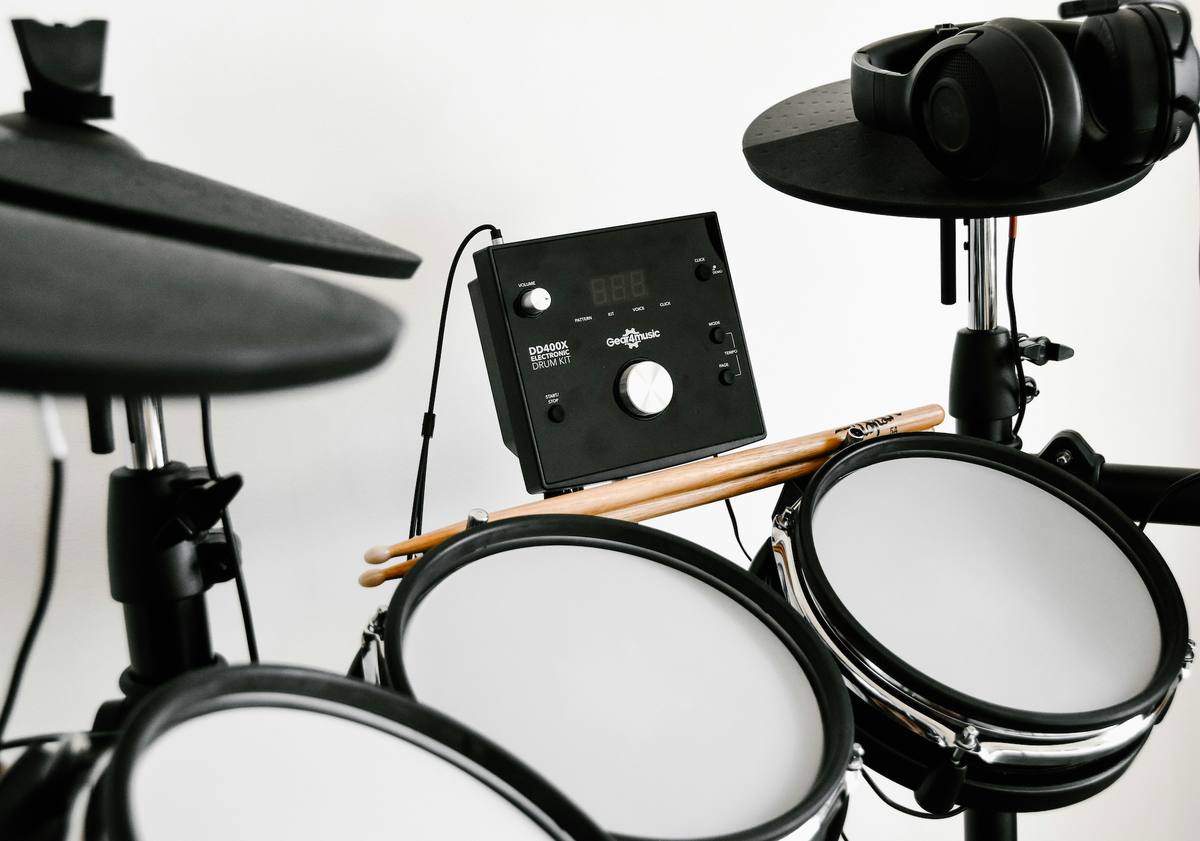
He starts building what he wished he had as a kid, a way for anyone to play without fear.
The Air Drum Kit prototype is born.
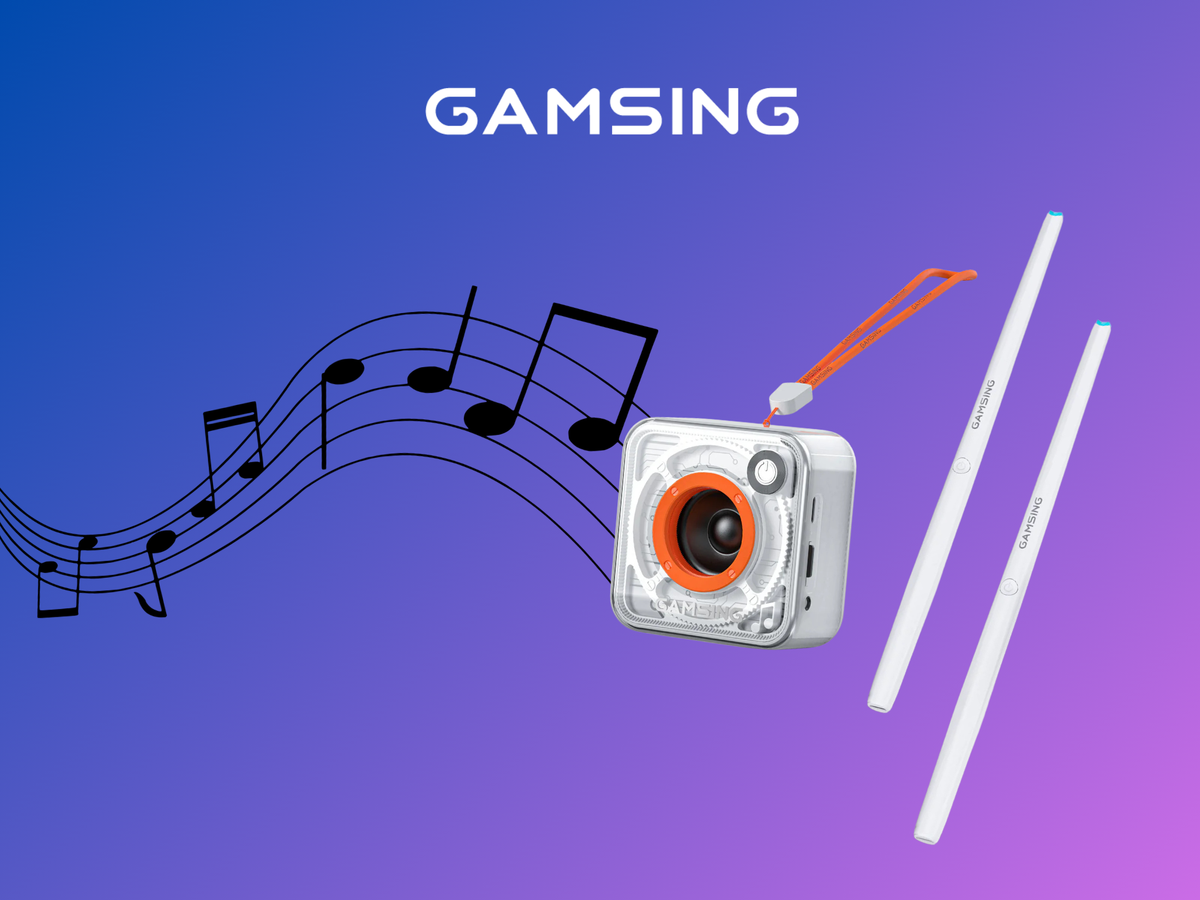
The Air Drum Kit launches.
The kitchen radio dream goes global.

Vision
Unlock the musical talent in everyone.

Mission
Everyone’s musical talent deserves respect.
No one should have to give up their musical dreams because an instrument is too hard to learn or too expensive.
Everyone should be able to afford an instrument, play it, and play it well.
BRAND STORY


AI-POWERED DRUM AUDIO ANALYSIS

01. AUDIO UNDERSTANDING & AI RECOGNITION
Understand Every Beat
The system extracts time‑frequency features, drum onset information, and short‑term energy changes, converting raw audio into structured data that AI can interpret. A two‑stage CRNN model then performs hierarchical recognition: Stage 1 identifies silence and active drum performance regions. Stage 2 distinguishes steady rhythm sections from transitional drum fills. Background noise, decaying sounds, and low‑level interference are effectively filtered out.
Core Technologies: Audio feature extraction, drum onset detection, short‑term energy analysis, and two‑stage CRNN classification.

02. INTELLIGENT SEGMENTATION & BOUNDARY OPTIMIZATION
Segmentation That Follows the Performance
Instead of cutting audio at fixed time intervals, the system converts frame‑level predictions into continuous rhythm, fill, and silence sections based on the actual musical structure. Each initial boundary is refined through energy analysis and localized searching:
- Snaps cut points to natural energy valleys
- Relabels and restores continuous silence regions
- Merges short fragments caused by false detection
- Divides overly long sections into more meaningful musical units
Core Technologies: Temporal segmentation, candidate refinement, energy‑valley alignment, silence relabeling, fragment merging, and long‑section splitting.

03. GROOVE CLASSIFICATION & TEMPO ANALYSIS
Turn Audio Clips into Meaningful Rhythm Structures
After segmentation, the system analyzes the drum‑onset distribution, accent positions, note density, and timing relationships within each section. It can then:
- Compare structural similarities between rhythm sections
- Group similar grooves into the same rhythm pattern
- Identify repeated or closely related sections
- Estimate tempo and correct common half‑time or double‑time errors
- Produce structured results with groove and tempo metadata
Core Technologies: Onset‑based rhythm representation, similarity calculation, pattern clustering, tempo estimation, and reference alignment。


AI SMART DRUMMING AI SMART DRUMMING
From motion to meaningful rhythm.
From motion to meaningful rhythm.