

Why Short Music Habits Are So Effective for Relaxation
When you’ve had a long, mentally draining day, the idea of sticking to a full practice session or structured activity can feel overwhelming. That’s where 10–15 minute music habits shine. Short, intentional music sessions work with your nervous system instead of against it. They provide enough time for your body to slow down without triggering the pressure of needing to be productive.
Research and experience both show that brief, focused musical engagement can lower cortisol levels and help regulate breathing and heart rate. Unlike long sessions that require planning or setup, these short habits feel approachable. They fit naturally into an evening routine and help signal to your brain that it’s time to transition from stress to rest.
The Problem With Passive Relaxation After a Long Day
Many people try to unwind by scrolling on their phone, watching random videos, or leaving background noise on. While these activities feel easy, they often keep the mind overstimulated. Passive relaxation rarely allows the nervous system to fully settle, especially after hours of work, notifications, and mental multitasking.
Active music habits, even gentle ones, engage both the body and mind in a calming way. Playing, tapping, or listening intentionally shifts attention away from stress loops. Instead of consuming more information, you’re creating or experiencing sound with purpose. This active engagement is what makes short music routines far more effective than passive distractions when it comes to real relaxation.

10–15 Minute Music Habits That Help You Unwind
Not every music habit needs structure or technical goals. The key is choosing routines that feel light, calming, and flexible. These 10–15 minute music habits are designed to release tension rather than build skill pressure. Whether you’re a drummer, hobbyist, or casual music lover, these practices can fit easily into your evenings without adding stress.
Below are simple, low-effort ideas that work especially well when energy is low but your mind still needs a reset.
Gentle Rhythm Practice to Release Tension
Light rhythm work, such as slow tapping or soft drumming, helps reconnect the body with steady, calming patterns. Simple rhythms encourage deeper breathing and reduce mental fatigue without requiring technical focus. Even alternating left and right hand taps can create a grounding effect.
This type of gentle rhythm practice works best when volume and intensity stay low. The goal isn’t precision, but flow. Over time, this habit can become a physical cue for relaxation, helping your shoulders drop and your thoughts slow down naturally.
Playing Along to Slow or Ambient Tracks
Playing along to calm music adds an element of mindfulness to your practice. Slow tempos and ambient tracks encourage smooth, unhurried movement. Syncing your motions to music helps regulate breathing and creates a sense of balance after a chaotic day.
You don’t need complex patterns, simple beats or single hits are enough. This habit works particularly well for drummers who want to stay connected to rhythm without overstimulation. It turns music into a shared experience rather than something happening in the background.
Free-Form Percussion as a Mental Reset
Improvised percussion offers emotional release without rules. Free-form playing allows you to express tension, frustration, or restlessness in a safe, creative way. Even a few minutes of unstructured rhythm can clear mental clutter and improve mood.
Because there’s no right or wrong, this habit removes performance pressure. It’s especially helpful on days when structured practice feels exhausting. Think of it as a musical journal: brief, honest, and personal.
Focused Listening With Minimal Distractions
Listening can be just as powerful as playing when done intentionally. Focused listening means sitting with music without multitasking, scrolling, or background noise. This habit helps the brain shift into a calmer state and improves emotional regulation.
Choose music that feels soothing rather than stimulating. Even 10 minutes of focused listening can reset your mood and prepare your mind for rest, especially when combined with slow breathing or gentle movement.

How Quiet Practice Tools Make These Habits Easier
One of the biggest barriers to maintaining short music habits is noise, space, and setup. Traditional instruments often require volume control, room preparation, or concern about disturbing others. Quiet practice tools remove those obstacles, making relaxation-focused music habits far more accessible.
Digital percussion and air drums allow you to engage musically without the stress of sound limitations. This makes it easier to practice consistently, even late at night or in shared living spaces.
Practicing Without Noise or Setup Stress
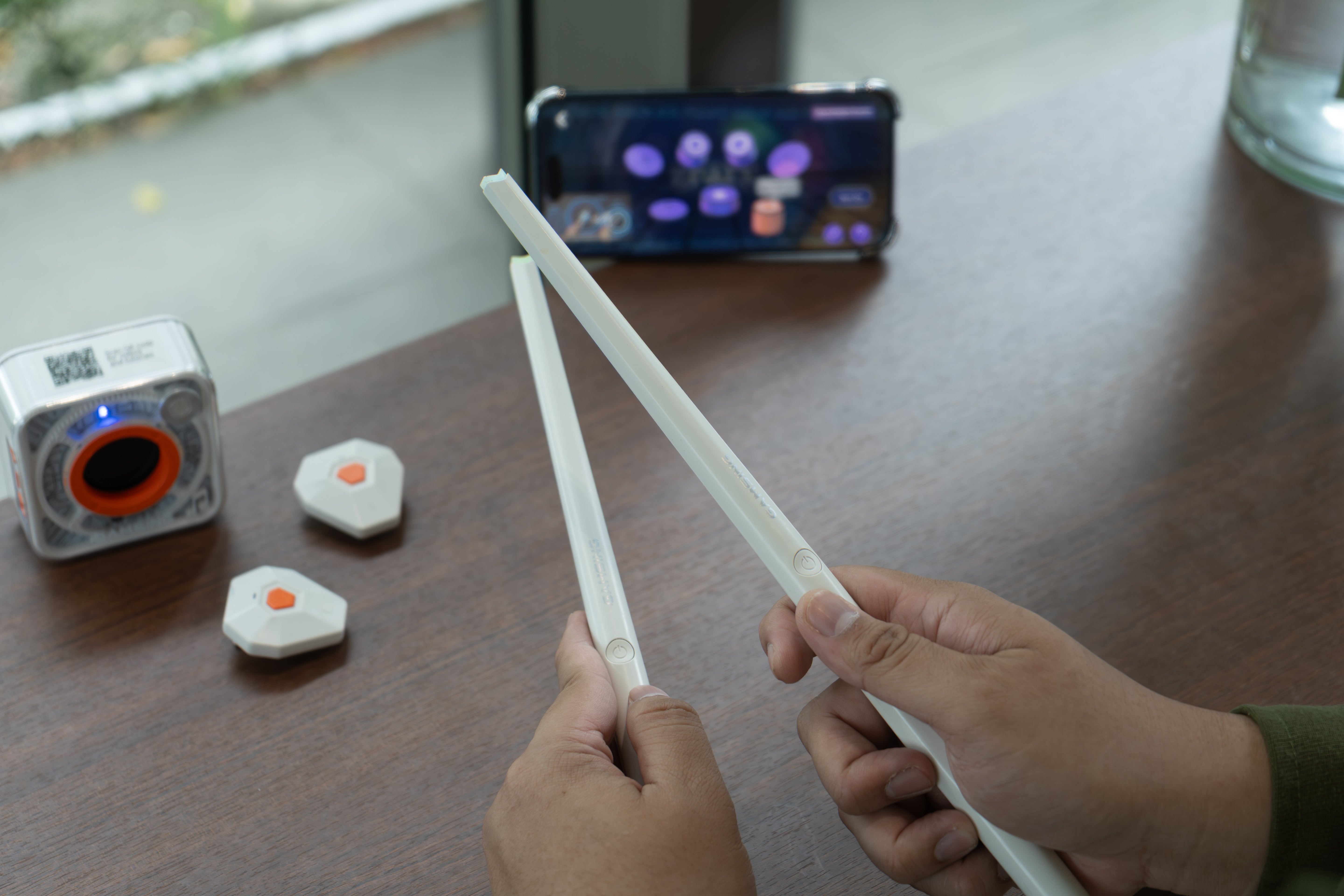
Air drum systems use motion sensors and headphones, allowing you to practice rhythm without physical drums or loud impact. This setup is ideal for relaxation because there’s no need to rearrange a room or worry about volume levels.
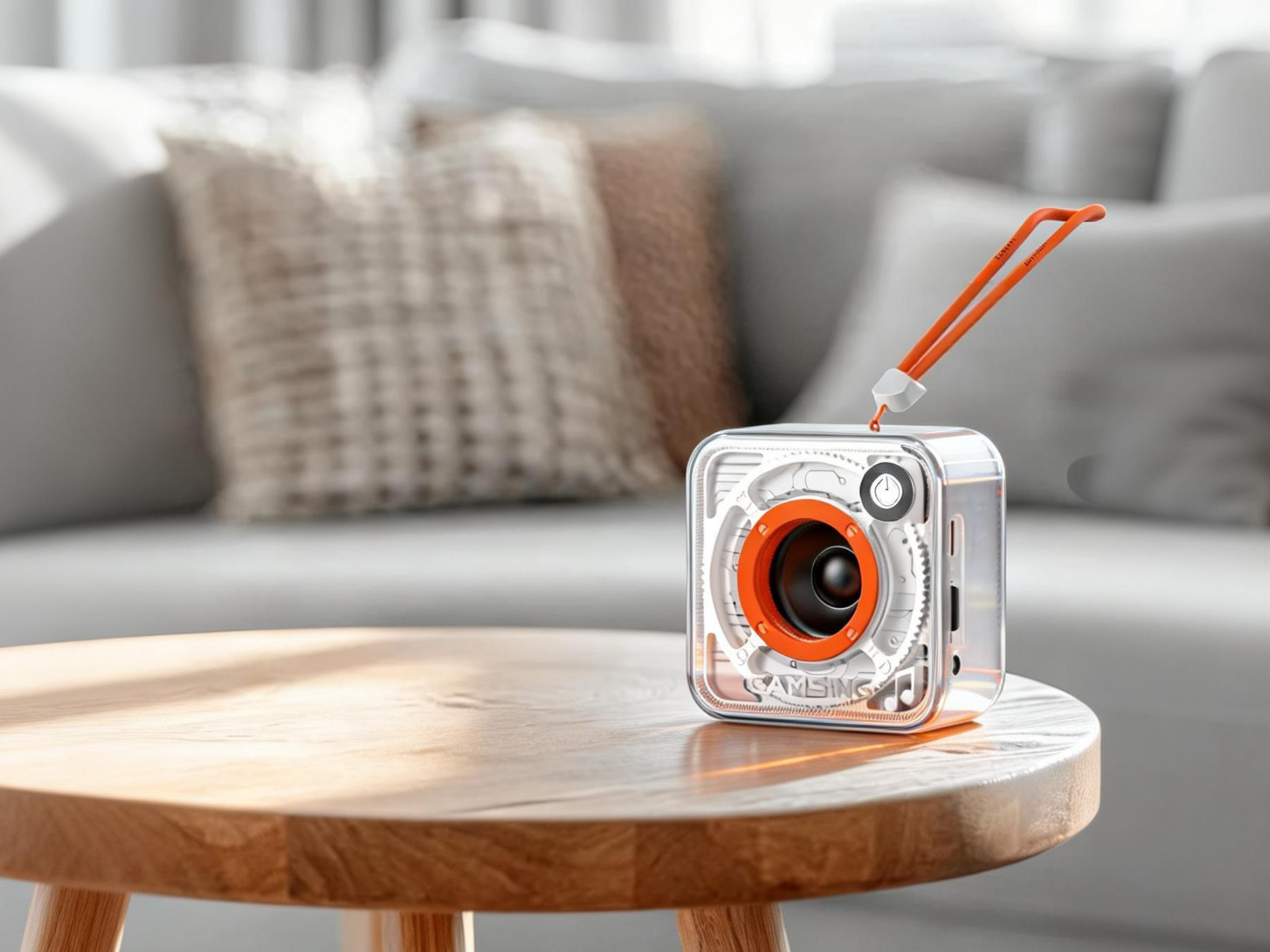
For example, tools from brands like Gamsing are designed with quiet, space-friendly practice in mind. Their air drum systems support short, calming sessions that fit naturally into evening routines, especially for home drummers and music hobbyists.
Building a Sustainable Evening Music Routine
Consistency matters more than duration. To build a sustainable habit, choose one or two music activities that feel genuinely relaxing. Keep instruments or tools easily accessible, and pair your music time with an existing routine, such as after dinner or before bed.
Avoid turning these sessions into practice goals. Instead, treat them as personal decompression time. Some days you may play; other days you may just listen. Flexibility keeps the habit enjoyable and sustainable over time.
Small Music Moments, Big Relaxation Benefits
Unwinding doesn’t require long sessions or complex routines. Thoughtful 10–15 minute music habits can make a meaningful difference in how your body and mind recover after a long day. Whether through gentle rhythm, free-form percussion, or focused listening, music offers a powerful reset.
With quiet tools like digital percussion and air drums, these habits become even easier to maintain. Small, mindful music moments, especially when integrated into your evening routine, can transform daily stress into a calmer, more balanced state of mind.

Leave a comment
All comments are moderated before being published.
This site is protected by hCaptcha and the hCaptcha Privacy Policy and Terms of Service apply.