

How Air Drums Detect Hits
Air drumming has become one of the most accessible ways for beginners to learn rhythm without needing a full acoustic kit. Instead of striking physical drumheads, players move their sticks in the air, and the system interprets each motion as a drum hit. Understanding how air drum identifies drum hits gives new digital drummers more control and helps them build confidence in their practice sessions.
This behind-the-scenes knowledge also makes learning feel less mysterious. When you understand what the sensors are looking for: velocity, angle, acceleration, and hand position, you begin to shape your technique more intentionally. Whether you're practicing quietly at home or exploring digital percussion for the first time, knowing how hit detection works makes the whole experience more intuitive.
The Technology Behind Motion-Based Hit Detection
At the heart of most air drums are motion sensors that track the sticks in real time. These systems commonly use IMU modules, Inertial Measurement Units, which include accelerometers and gyroscopes. Together, these components measure how fast the sticks move, how sharply they change direction, and how their orientation shifts in the air.
This data is constantly analyzed by the system to determine whether you performed an actual drum stroke or a simple hand movement. For beginners, this is reassuring: the system is designed not just to read motion but to interpret it intelligently.

Tracking Stick Velocity and Angle
Velocity is one of the strongest indicators of a drum hit. When you swing a stick downward, the system monitors how quickly it accelerates and in what direction. A true drum stroke usually ends with a sudden, decisive downward motion.
By analyzing angle and trajectory, air drum systems can tell whether your motion matches that of a snare hit, cymbal crash, or tom strike. Even small variations in angle inform the software which virtual drum zone you're targeting. This detailed tracking is what makes digital percussion feel expressive rather than robotic.
Reading Acceleration Peaks
Another key signal in how air drum identifies drum hits is the acceleration peak. When drummers strike, there is always a quick burst of force at the end of the motion. The accelerometer detects this spike and flags it as a hit.
The software then uses algorithms to compare the peak to your normal movement patterns. If it’s strong enough and sharp enough, the system confirms that a hit occurred. This is why gentle practice motions may not trigger sound: you need that slight punch at the end to create a recognized virtual strike.
Spatial Mapping of Virtual Drum Pads
Along with reading motion, modern systems also create a 3D map of virtual drum positions. Even though you can’t see them, there are predefined areas in space assigned to each instrument: snare in front, toms slightly outward, cymbals higher, and so on.
This mapping helps the air drum decide which sound to play when it detects a hit. As a result, you can move naturally as you would on a physical kit, and the software understands your intentions.
Hand Position Recognition
Hand recognition plays a big role in accurate hit assignment. The system tracks whether the left or right stick enters a specific spatial zone. Each zone corresponds to a virtual drum, helping the software determine whether you meant to hit a hi-hat, ride, floor tom, or another instrument.
This dual-hand mapping is crucial for beginners because it encourages proper drumming habits. For example, consistent left-hand placement helps reinforce snare technique even in an air-based setup.
Preventing False Triggers
To avoid random noises, air drum systems use filtering algorithms that ignore minor, non-intentional movements. These filters set thresholds for velocity and acceleration, allowing only meaningful peaks to be registered as hits.
This makes the experience much cleaner. You can reposition your sticks, adjust your posture, or reset your grip without causing accidental sounds. It helps beginners stay focused and reduces the frustration often found in early drumming practice.
How Software Turns Motion Into Sound
Once the system confirms a hit, it selects the right drum sound from a library of samples. These samples are often recorded from real drums to preserve authentic tone. The software then plays the sound with as little latency as possible.
Latency control is essential. Even a slight delay would make the experience feel disconnected. Good air drums keep output times extremely low so that every hit feels immediate and responsive. The system may also adjust sound dynamics based on the intensity of your motion, giving your playing a more realistic feel.

Why This Matters for New Drummers
Accurate hit detection is a major advantage for beginners learning on air drums. When the system reliably interprets your motions, you develop stronger timing and rhythm awareness. You also gain confidence because your movements consistently produce the correct sound.
Additionally, because air drums are silent externally, you can practice longer without disturbing anyone. This makes it easier to maintain a steady practice schedule—a key factor in early skill development.
Gamsing’s Approach to Air Drum Hit Detection
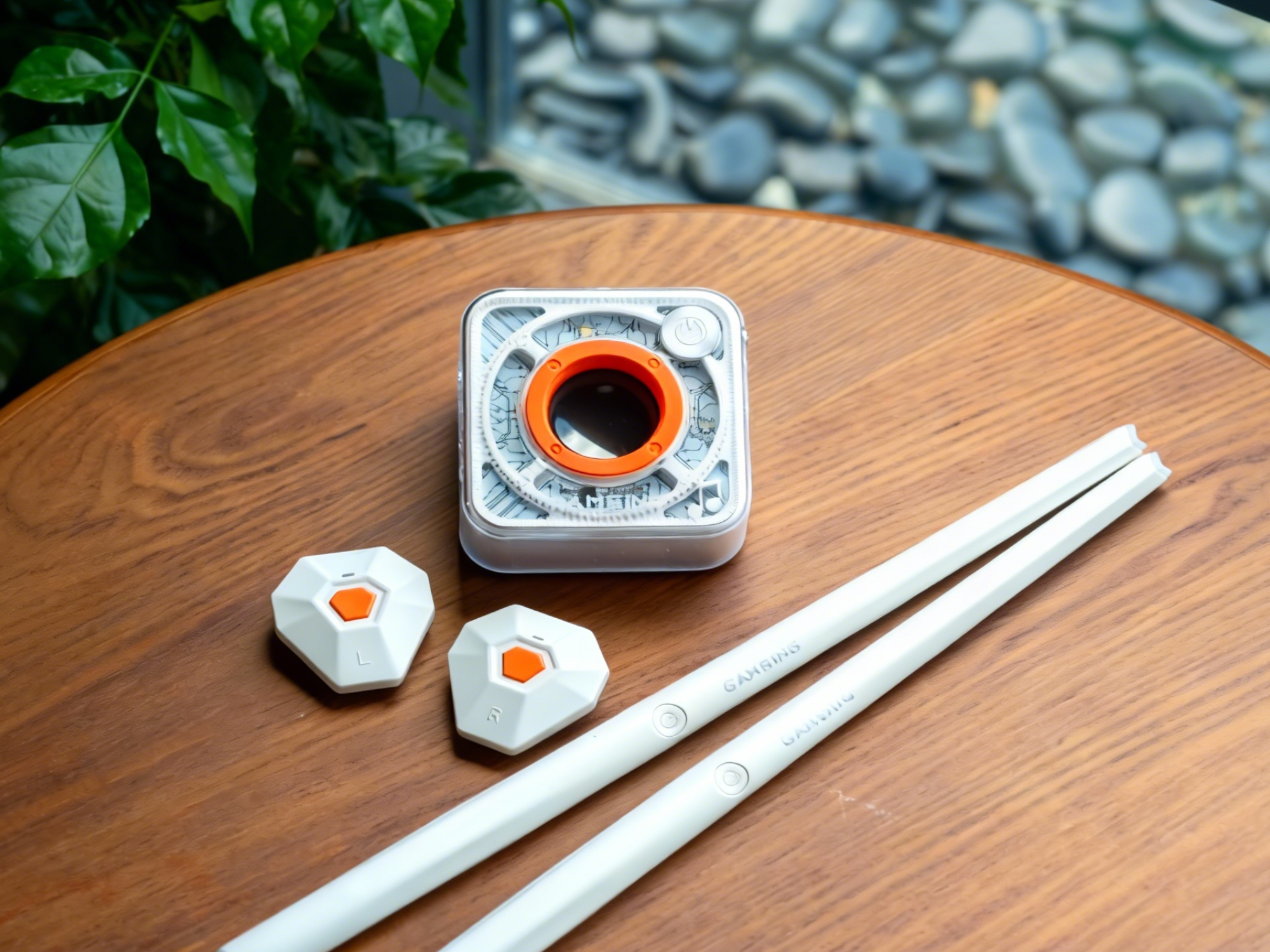
Gamsing focuses on making digital drumming natural, responsive, and accessible for everyday players. Their approach uses motion sensing, spatial mapping, and intelligent filtering to ensure accurate hit detection even for beginners.
Gamsing devices emphasize quiet practice and portability, letting musicians rehearse at home or in small spaces without noise. The brand’s motion-sensor design aims to feel intuitive, offering smooth tracking, low latency, and reliable left/right hand recognition. These features help users enjoy drumming without the complications of setting up a full kit.
For readers interested in exploring this technology further, you can learn more about Gamsing’s air drum systems at Gamsing.net.
Conclusion
Understanding how air drum identifies drum hits helps new drummers appreciate the smart technology behind digital percussion. From motion sensors and acceleration peaks to spatial mapping and sound libraries, each part works together to create a seamless drumming experience.
For beginners who want quiet, flexible, and intuitive practice, air drums, especially well-designed systems like those from Gamsing, offer an excellent path into music.


댓글 남기기
모든 댓글은 게시 전 검토됩니다.
이 사이트는 hCaptcha에 의해 보호되며, hCaptcha의 개인 정보 보호 정책 과 서비스 약관 이 적용됩니다.